


 Français
Optimizing Transportation Workflows: 8 Strategies for Improving Logistics Performance
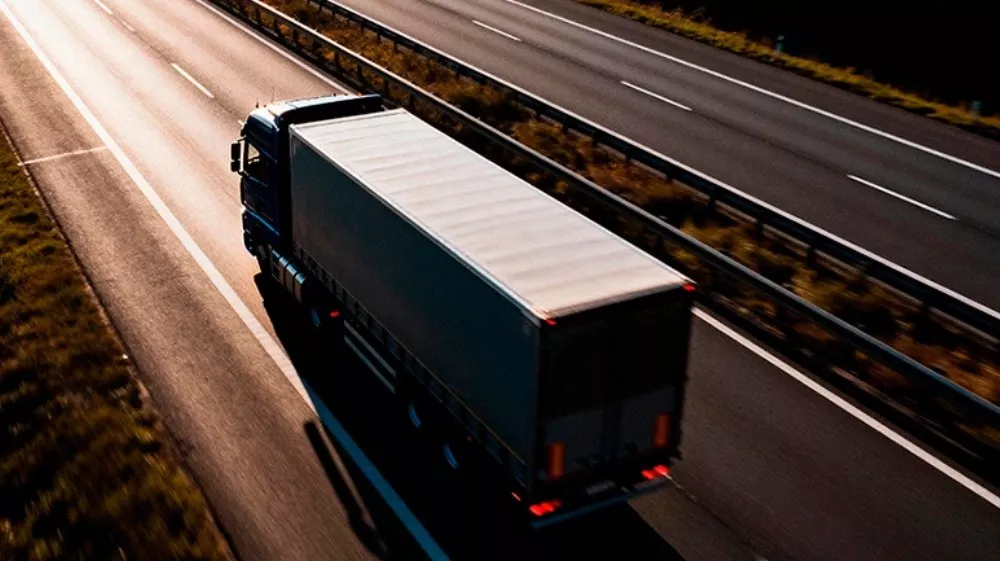
In an increasingly complex logistics environment, optimizing transportation logistics flows has become a strategic priority for businesses. Faced with rising fuel costs, regulatory constraints, pressure to meet delivery deadlines, and goals to reduce their carbon footprint, organizations must constantly improve the efficiency of their operations.
Yet many companies face a major challenge: how to optimize transport flows without disrupting the entire logistics operation? Where should they start to generate quick and sustainable gains?
At Forankra, a specialist in solutions for securing and optimizing cargo loading, real-world experience shows that a structured approach allows for the rapid identification of areas for improvement. Optimizing transport flows does not rely on a single action, but on a combination of analyses, tools, and best operational practices.
Here are the key steps to effectively implement this approach.
1. Conduct a detailed analysis of existing logistics flows
Before considering any optimization of logistics performance, the first step is to gain a clear understanding of how current transport flows operate. Many companies believe they understand their logistics processes, but a detailed audit often reveals inefficiencies that go unnoticed in day-to-day operations.
This analysis helps identify:
• The volume of goods transported
• The main logistics routes
• The modes of transport used
• Loading and unloading times
• Vehicle load factors
• Recurring incidents (delays, damage, non-compliance)
This mapping of flows provides a comprehensive overview of how the supply chain operates. It also helps identify certain common issues, such as:
• Poorly optimized transport routes
• Partially empty trips
• Poor organization of loading docks
• Excessively long loading processes
• A lack of standardization in securing goods
The goal is not only to identify problems, but also to quantify their impact on costs and logistics performance.
2. Improving Vehicle Load Factors
One of the most effective ways to optimize transportation flows is to maximize the use of vehicle cargo space. A poorly loaded truck represents a direct cost to the company, as it uses the same resources (fuel, driver, travel time) to transport fewer goods.
Several factors can explain a low load factor:
• Inappropriate product packaging
• Poor shipment planning
• Poorly organized loading
• Lack of logistics planning tools
Optimizing loading involves, in particular:
• Standardizing pallets or transport units
• Improving loading organization
• Using logistics planning tools
• Consolidating shipments whenever possible
Using the double-deck system
Using Forankra’s XTRADECK double-deck system can double the cargo space of a van. This system consists of aluminum support beams that slide along an aerial rail, helping to reduce the number of trips, CO₂ emissions, and transportation costs. It is a strategic choice for seamless logistics, consistent profitability, and controlled fuel consumption.
Discover the XTRADECK double-floor system
3. Optimizing Loading and Unloading Operations
Waiting times at loading docks are a major source of productivity losses in transportation operations. In some organizations, loading and unloading can account for a significant portion of the total time required for a delivery.
Optimizing these operations improves the flow of logistics.
This involves, in particular:
• Better organization of loading docks
• Implementation of standardized loading procedures
• Use of appropriate equipment
• Training of logistics teams
Effective management of dock operations reduces vehicle downtime, increases productivity, and improves delivery reliability.
With this in mind, the use of automated loading and unloading systems is a relevant solution for optimizing the overall efficiency of logistics operations.
Learn about loading and unloading systems
4. Securing cargo to prevent loss and accidents
Securing cargo plays a critical role in optimizing transport operations. Improper securing can cause cargo to shift during transport, resulting in damage to products or vehicles.
These incidents can have significant consequences:
• Damage to cargo
• Delivery delays
• Additional costs
• Safety risks for drivers
To minimize these risks, it is essential to implement securing solutions tailored to the types of cargo being transported.
For example:
• Lashing straps
• Lashing rails
• Securing systems (lashing bars, lashing nets)
The solutions offered by Forankra help stabilize goods during transport and ensure optimal safety.
5. Standardize Logistics Processes
In many companies, logistics operations still rely on informal practices or the individual experience of operators. This situation can lead to significant variations in the quality of operations.
Standardizing processes helps ensure the reliability of operations and improves the overall performance of the supply chain.
This may include:
• Loading procedures
• Methods for securing cargo
• Dock organization
• Shipment preparation
• Pre-departure checks
Clear procedures also facilitate the training of new employees and reduce the risk of errors.
In complex logistics environments, standardization is often a key factor in performance and safety.
6. Leveraging Digital Tools to Manage Logistics Flows
Digital transformation is playing an increasingly important role in optimizing logistics flows. Digital tools provide an accurate, real-time view of logistics operations.
Among the most widely used solutions are:
• Transportation management software (TMS)
• Shipment tracking systems
• Route optimization tools
• Dock management platforms
These technologies improve logistics planning and quickly identify areas for improvement.
They also offer the ability to track logistics performance using key metrics, such as:
• Vehicle load factors
• Delivery times
• Transportation costs
• Incident or damage rates
Analyzing this data enables a continuous improvement process.
7. Train teams in best logistics practices
Even the best tools or equipment cannot produce sustainable results without the involvement of on-site teams. Training logistics operators is therefore an essential part of optimizing transport flows.
In particular, teams must be made aware of:
• Efficient loading organization
• Best practices for securing loads
• Logistics safety rules
• The use of material handling equipment
Appropriate training helps reduce operational errors and improve productivity. It also helps strengthen the safety culture within the company.
8. Implement a continuous improvement process
Optimizing transportation flows should not be viewed as a one-time project. The most successful companies adopt a continuous improvement approach to adapt their operations to market changes.
This process generally relies on several key elements:
• Defining logistics performance metrics
• Regular analysis of results
• Identification of new opportunities for optimization
• Testing of new solutions
Feedback from field teams also plays a key role in this improvement process.
By gradually implementing these adjustments, companies can sustainably improve the performance of their transport flows.
Conclusion
Optimizing transport flows is now a major challenge for industrial and logistics companies. Faced with economic, environmental, and regulatory constraints, it is becoming essential to rethink the organization of transport operations to improve efficiency and safety.
This process begins with a detailed analysis of existing flows, followed by the implementation of several complementary strategies:
• Improving vehicle load factors
• Optimizing loading and unloading operations
• Securing cargo
• Standardizing logistics processes
• Utilizing digital tools
• Training teams
Thanks to its expertise in load securing and optimization solutions, Forankra supports companies in establishing more efficient, safer, and more sustainable supply chains.